
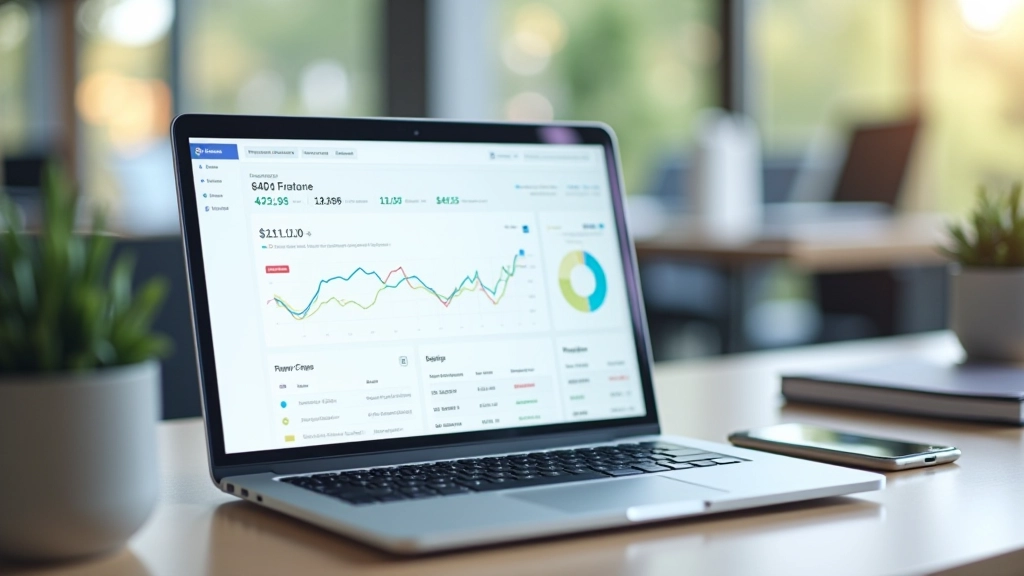
Getting Started with Transaction Automation
A step-by-step look at how deep learning systems learn to recognize and categorize your business transactions automatically.
Most small businesses spend hours sorting expenses manually. Automated categorization cuts that time dramatically and reveals spending patterns you'd otherwise miss.


Author
Editorial Team focused on practical, honest guidance for automating expense management.
Let's be honest — spreadsheets don't scale. When you're running a small business, you're wearing too many hats already. Adding expense categorization to your weekly tasks means something else gets neglected. You're either spending time you don't have sorting transactions, or you're letting them pile up into a confusing mess.
The problem isn't laziness. It's that manual categorization is genuinely tedious and error-prone. One person might tag a software subscription as "Office Supplies" while another marks it as "Software & Services." Six months later, you don't even know what you're actually spending on tools. You can't make smart business decisions without accurate data.

Deep learning systems learn from your business patterns and get better over time.
The system learns to recognize vendor names and transaction patterns. A PayPal charge from your hosting provider? It knows. A recurring subscription to accounting software? It's tagged automatically.
Unlike human categorization (which varies based on who's doing it and what time of day), an automated system applies the same rules every time. Your office rent is always "Rent" — not sometimes "Facilities" or "Building Costs."
An SME spending 5-8 hours per month on categorization frees up roughly 60-100 hours per year. That's real time you get back to focus on strategy, customer relationships, or literally anything else.
When your data is accurate and consistent, you actually understand your spending. You'll spot trends you missed before — like that $200/month vendor you forgot about or the category where costs are creeping up.
The system doesn't just follow a set of rigid rules. It learns. You feed it historical transactions, and it identifies patterns. A vendor name. The description text. The amount. The time of month. Over time, it connects these signals to the right category.
Here's what makes it actually useful: when the system gets something wrong, you correct it. That correction teaches the model. The next time it sees a similar transaction, it's more likely to get it right. It's not perfect on day one — and that's OK. Most systems hit 85-90% accuracy within the first few weeks, then improve from there.
For SMEs, this is game-changing because you don't need to hire an accountant to set it up. You don't need complex rules or business logic coded by engineers. You just need to feed it real data from your actual business.
Learning Outcomes Vary
Individual learning outcomes vary from person to person. The effectiveness of automated categorization depends on your transaction volume, data quality, and how you set up your categories. Results improve over time as the system learns from your corrections.
Explore more about automating your expense management
A step-by-step look at how deep learning systems learn to recognize and categorize your business transactions automatically.

Deep learning models improve over time, but understanding how accuracy works helps you set realistic expectations and use the system effectively.

Every business is different. Learn how to tailor your categorization system to match your specific accounting structure and reporting needs.
Smart categorization isn't about replacing accountants or removing human judgment. It's about removing the tedious busywork so you can focus on what actually matters. When your expenses are properly categorized, you make better decisions. You understand your cash flow. You spot problems early. You can talk to your accountant about strategy instead of spending the meeting reviewing basic categorization mistakes.
For small business owners in Winnipeg and beyond, this is the difference between spending your time on administrative tasks and spending it on growing your business. That's why smart categorization matters. It's not flashy technology — it's practical, everyday automation that actually gives you time back.