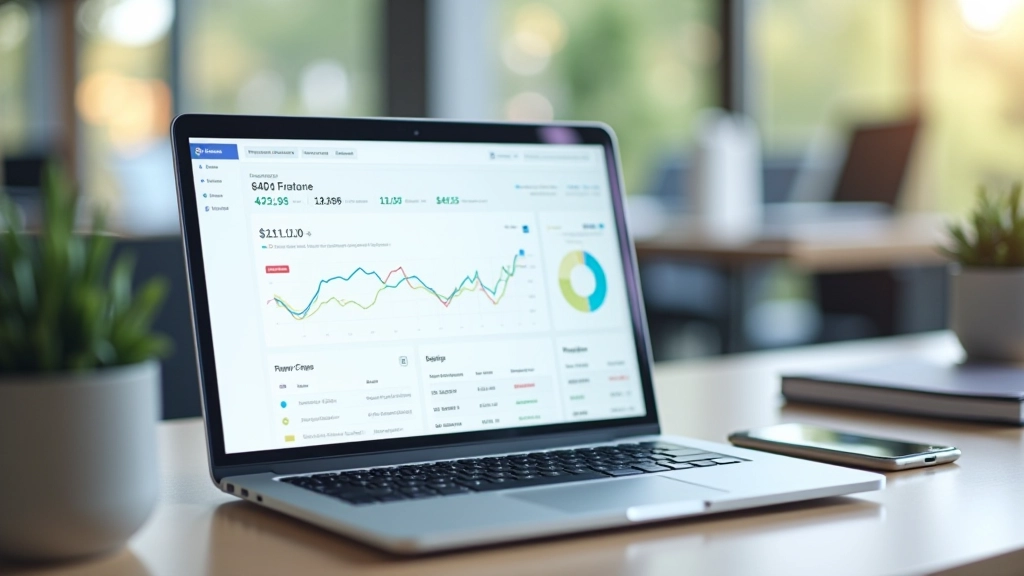

Why Smart Categorization Matters for SMEs
Most small businesses spend hours sorting expenses manually. Automated categorization cuts that time dramatically and reveals spending patterns you'd otherwise miss.
Smart automation for managing business finances
Issue 2026
Deep learning technology is transforming how small and medium enterprises categorize expenses. We're exploring practical approaches to transaction automation, financial clarity, and smarter business decisions. Whether you're new to automated categorization or looking to refine your process, these guides offer real insights for Winnipeg-based businesses.
Most small businesses spend hours sorting expenses manually. Automated categorization cuts that time dramatically and reveals spending patterns you'd otherwise miss.
A step-by-step look at how deep learning systems learn to recognize and categorize your business transactions automatically.
Deep learning models improve over time, but understanding how accuracy works helps you trust the system and catch edge cases early.
Every business is different. Learn how to tailor your categorization system to match your unique expense structure and reporting needs.
Essential steps for rolling out automated expense categorization
Understand how you're currently categorizing expenses. Document patterns, inconsistencies, and pain points. This baseline helps you measure improvement and train your system accurately.
Work with your accounting or finance team to establish clear categories. Be specific — too many categories confuses the system, too few loses important detail. Balance both for your business.
Feed the system your past transactions with correct categorizations. Most deep learning models need 500-1000 examples per category to start working reliably. Quality training data matters more than quantity.
Automated systems improve with feedback. Set aside time weekly to review borderline classifications and corrections. Feed these back into the system to strengthen accuracy over time.
Most categorization platforms connect directly to accounting tools. This eliminates manual data entry and ensures your general ledger stays accurate without extra work.
Track accuracy rates, processing time, and cost savings. Most SMEs see 70-85% automation within the first month. Celebrate wins and identify categories that need more attention.